
London Business Travel Guide for North American Visitors
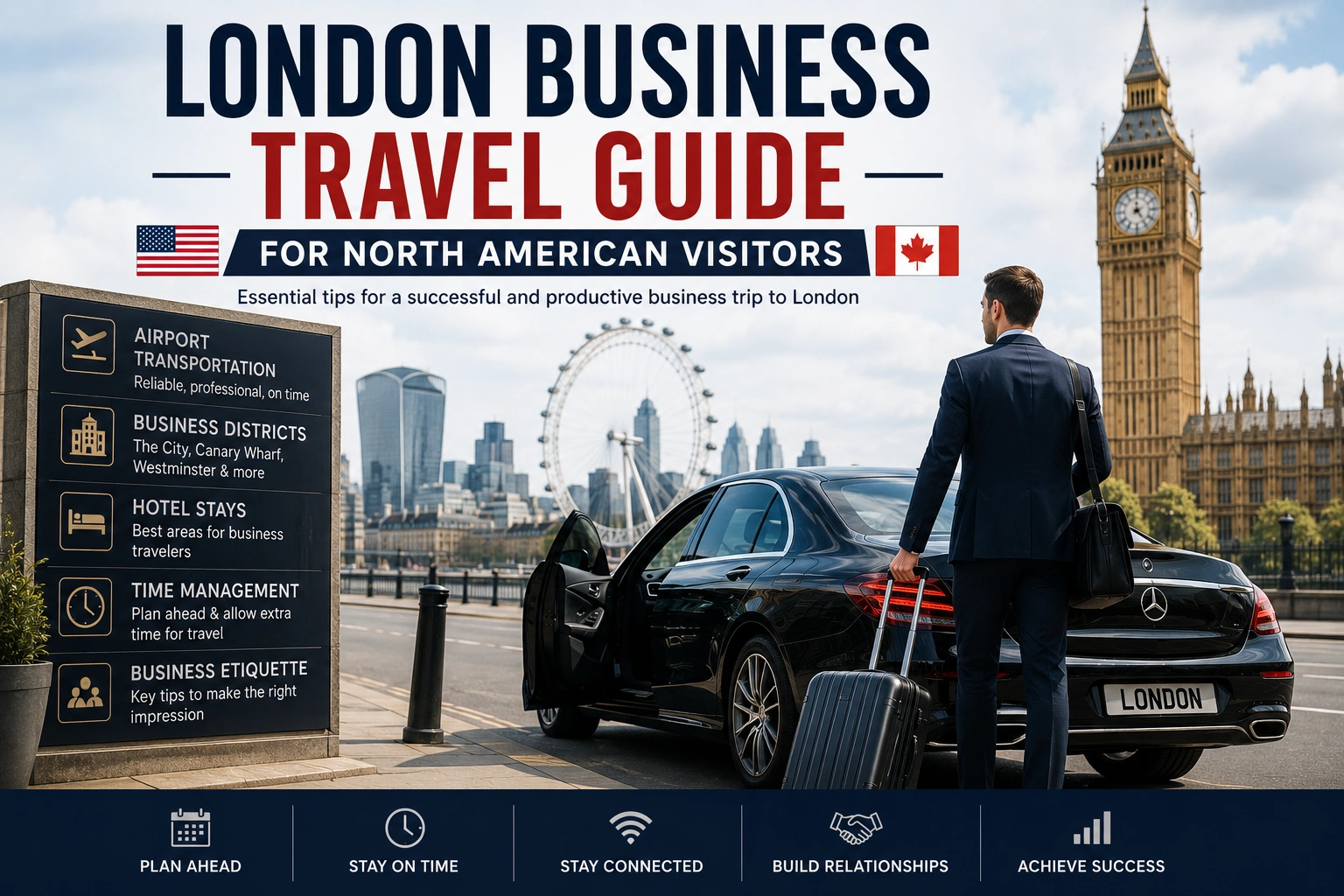
London remains one of the world’s leading business destinations, attracting professionals from the United States and Canada throughout the year.
Whether you’re attending meetings, conferences, trade events, or client visits, proper planning can help make your business trip more productive and less stressful.
This guide covers everything North American business travelers should know before arriving in London.
Why London Remains a Global Business Hub
London serves as a major center for:
- Finance
- Technology
- Legal services
- International trade
- Investment management
- Media and communications
The city hosts thousands of international business events every year and maintains strong connections with North American markets.
For many companies, London acts as a gateway to both the United Kingdom and Europe.
Choosing the Right Airport
Business travelers flying from North America commonly arrive at:
- Heathrow Airport
- Gatwick Airport
- London City Airport
Heathrow Airport
Heathrow is the most popular choice for long-haul business travel.
Benefits include:
- Extensive international flight options
- Frequent flights from major U.S. and Canadian cities
- Strong transportation connections
London City Airport
London City Airport is often preferred for travelers attending meetings in Canary Wharf or Central London due to its proximity to business districts.
Planning Airport Transportation
One of the most important parts of a successful business trip is reliable transportation.
After a long international flight, most professionals want to reach their hotel or meeting location efficiently.
Popular options include:
- Airport trains
- Underground services
- Taxis
- Ride-hailing apps
- Private transportation
Many business travelers choose a London chauffeur service to minimize delays and ensure a smooth arrival experience.
Business Districts You Should Know
Depending on your industry, meetings may take place in different parts of London.
The City of London
Home to:
- Financial institutions
- Investment firms
- Insurance companies
- Corporate headquarters
Canary Wharf
A major business district known for:
- Banking
- Financial services
- Global corporations
Westminster
Commonly associated with:
- Government offices
- Legal firms
- Professional services
Mayfair
Popular for:
- Luxury hotels
- Private offices
- International business meetings
Understanding where your meetings are located can help you choose accommodation more strategically.
Choosing the Right Hotel Location
Business travelers often prioritize convenience over sightseeing.
Popular hotel locations include:
- Canary Wharf
- The City
- Westminster
- Mayfair
- South Bank
Staying near your primary meeting location can significantly reduce travel time during your visit.
Managing Time Zone Differences
Traveling from North America to London typically involves a significant time difference.
To minimize jet lag:
- Adjust your sleep schedule before departure
- Stay hydrated during the flight
- Get natural daylight after arrival
- Schedule important meetings after you’ve had time to rest
A well-managed arrival day can improve productivity throughout your trip.
London Traffic and Travel Times
One mistake many first-time business visitors make is underestimating London traffic.
Journey times can vary significantly based on:
- Time of day
- Road conditions
- Events
- Construction work
Always allow additional travel time when attending important meetings.
Being early is far better than risking a late arrival.
Staying Connected During Your Trip
Reliable communication is essential for business travel.
Before arriving:
- Check international roaming options
- Download important documents
- Save meeting locations offline
- Ensure video conferencing tools are accessible
Most hotels, business centers, and airports offer Wi-Fi, but having mobile connectivity provides additional flexibility.
Business Etiquette in London
Business culture in London shares many similarities with North America, but there are a few differences worth noting.
Generally:
- Punctuality is expected
- Professional attire is common
- Meetings often begin with brief conversation
- Business cards remain useful
- Respect for schedules is highly valued
Being prepared and punctual helps create a positive impression.
Transportation Between Meetings
When attending multiple meetings across London, transportation planning becomes important.
Depending on your schedule, public transportation may be practical for some journeys.
However, professionals with tight schedules often prefer executive airport transportation and private travel solutions that provide direct transportation throughout the day.
Planning Your Return Journey
Many business travelers focus on arrival logistics but overlook departure planning.
Before your final day:
- Confirm flight times
- Check airport terminal information
- Allow for traffic delays
- Arrange transportation in advance
A well-organized departure helps avoid unnecessary stress at the end of your trip.
Final Thoughts
London offers tremendous opportunities for North American business travelers, but success often comes down to preparation.
By planning transportation, selecting the right hotel location, understanding travel times, and allowing for potential delays, you can focus more on your business objectives and less on logistics.
Whether you’re visiting for a single meeting or an extended business trip, a little preparation can help ensure a productive and efficient experience from arrival to departure.
Table of Contents
- 1. Why London Remains a Global Business Hub
- 2. Choosing the Right Airport
- 3. Planning Airport Transportation
- 4. Business Districts You Should Know
- 5. Choosing the Right Hotel Location
- 6. Managing Time Zone Differences
- 7. London Traffic and Travel Times
- 8. Staying Connected During Your Trip
- 9. Business Etiquette in London
- 10. Transportation Between Meetings
- 11. Planning Your Return Journey
- 12. Final Thoughts